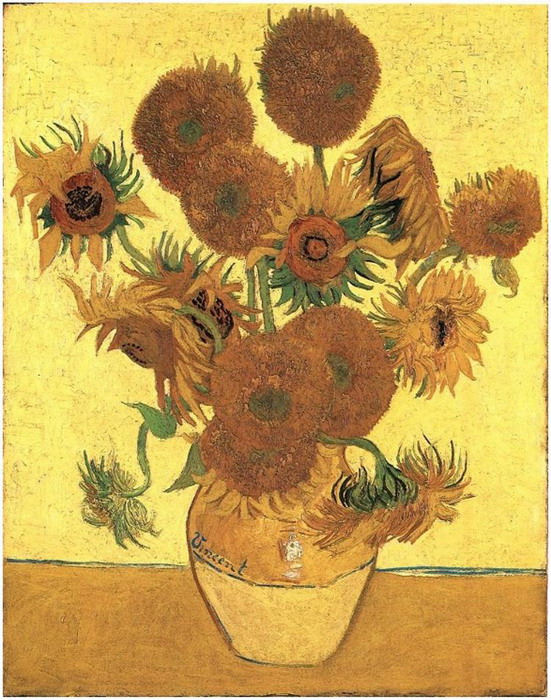
Walk into any art gallery, and Van Gogh’s sunflowers will likely stop you in your tracks. Their bright, almost blinding yellow seems to glow from within, as if the petals hold pieces of the sun. But if you only see "sunflower yellow" when you .
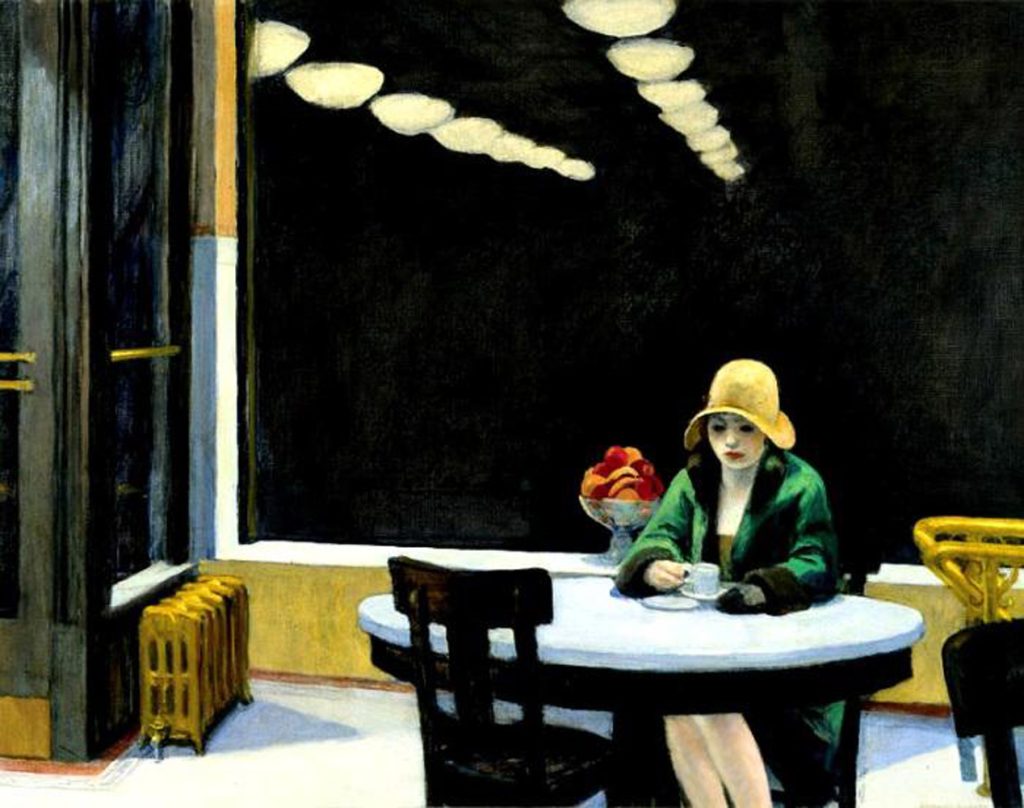
Walk through any major art museum, and Edward Hopper’s paintings will stop you in your tracks. Whether it’s the quiet isolation of Nighthawks or the pensive stillness of Office at Night, there’s a distinct undertone of loneliness in his work — a feeling that .
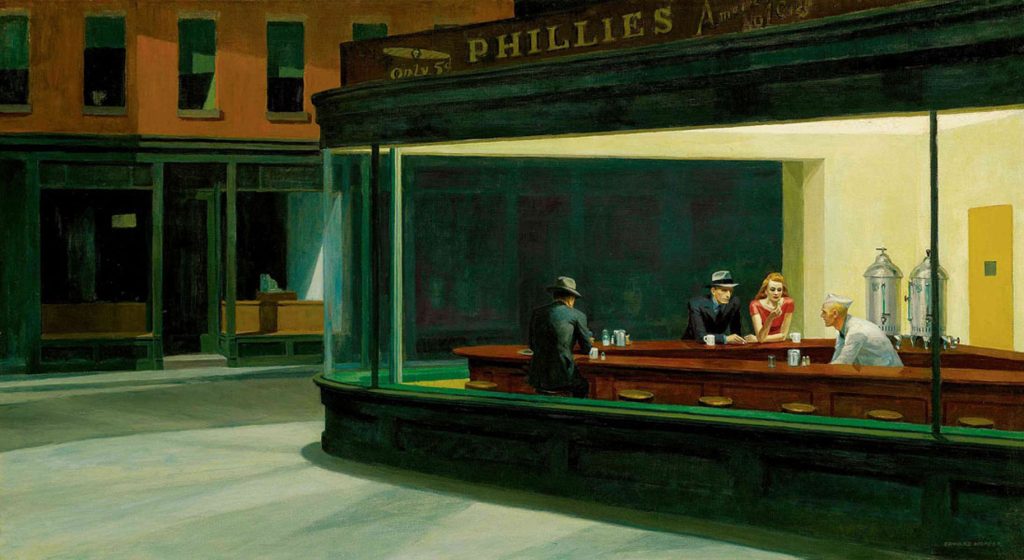
Have you ever stood outside a late - night diner, the warm glow of its lights spilling out through the glass windows? Inside, a few people sit quietly, each lost in their own thoughts, while the world outside is wrapped in the cool darkness .
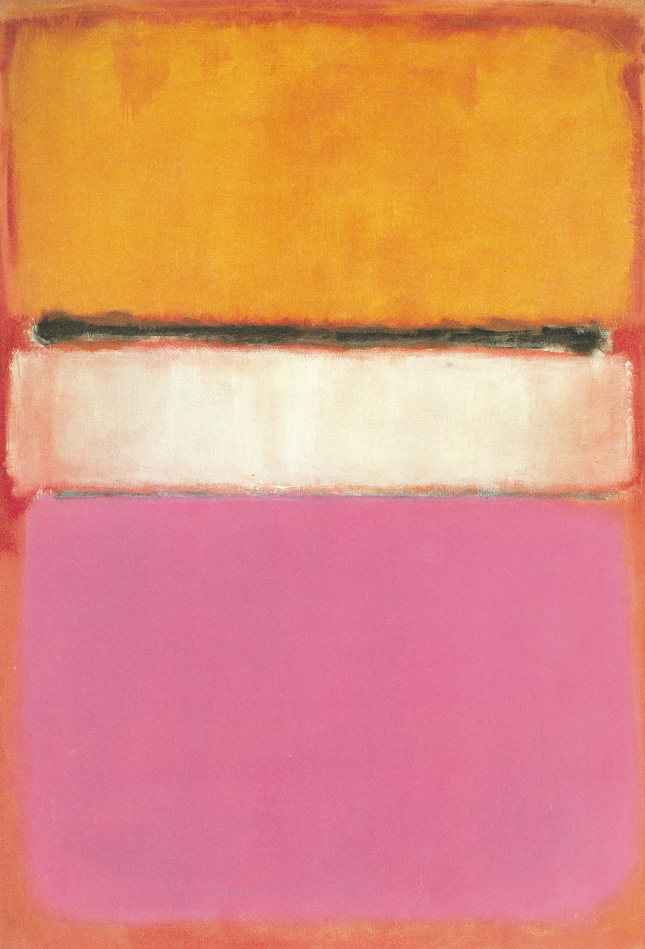
The first time you stand before a Mark Rothko painting, confusion might creep in. Large blocks of color, no intricate compositions, no figurative depictions, and even clear lines seem scarce. But when you calm down and let your gaze linger among those color blocks, .
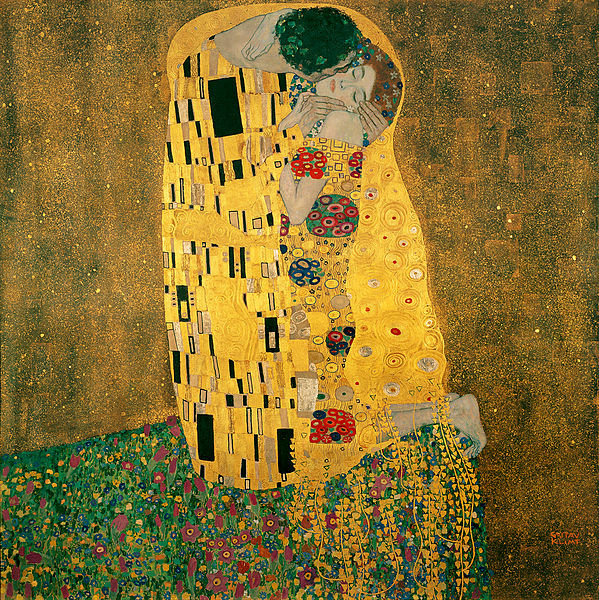
If there’s one artist who turned gold into a language of the soul, it’s Gustav Klimt. His Golden Phase—a period of glittering, gilded masterpieces—isn’t just about opulence. It’s a riot of human emotion, where desire pulses beneath every leaf of gold leaf, and life .
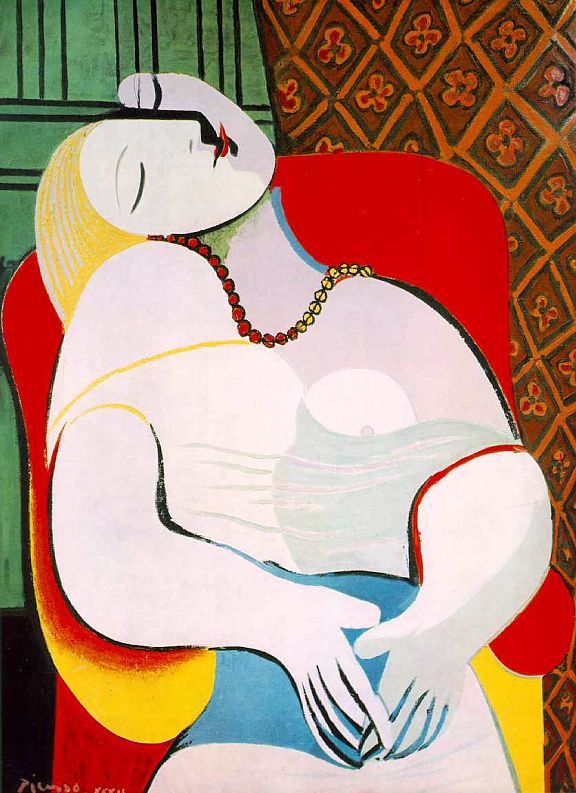
For art enthusiasts and oil painting lovers, Pablo Picasso remains a towering figure whose work redefined what art could be. His journey from the somber tones of the Blue Period to the fragmented visions of Cubism isn’t just a personal evolution—it’s a revolution that .
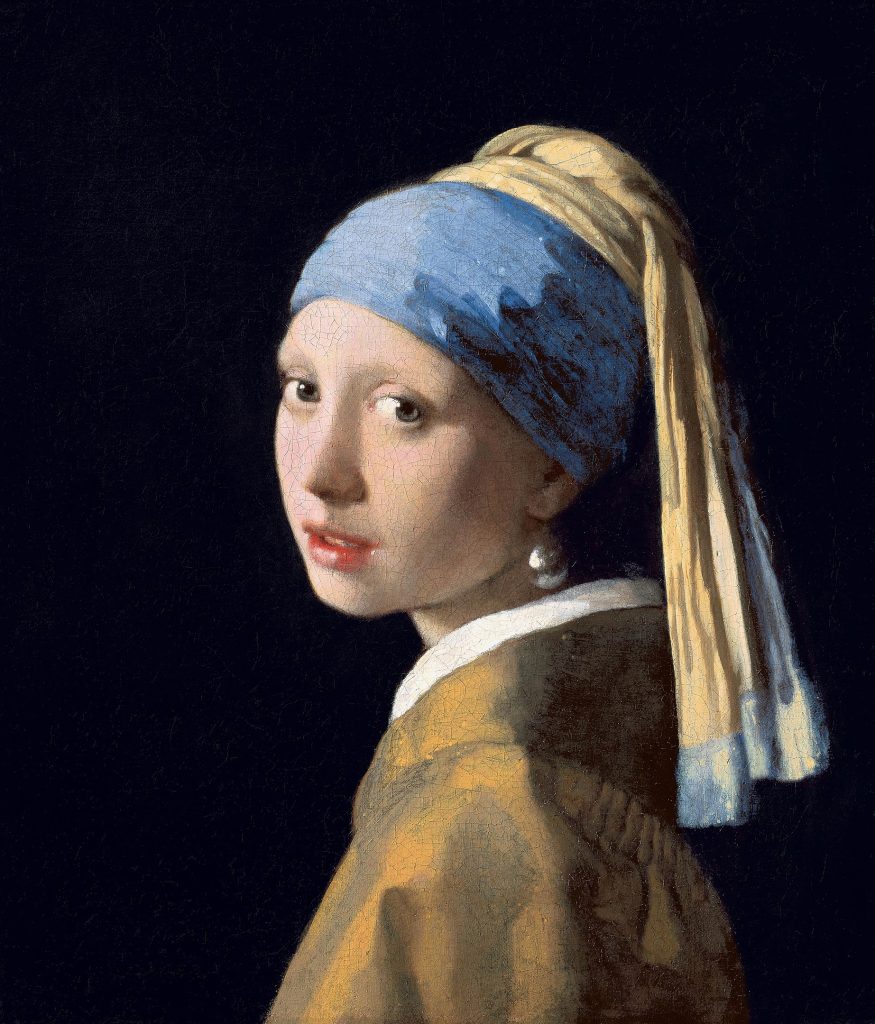
In the pantheon of oil painting greats, Johannes Vermeer stands apart – not for prolificacy, but for precision. While Renaissance masters like Rembrandt left behind hundreds of works, Vermeer’s entire known oeuvre numbers just 35 paintings. Yet this small collection has resonated through centuries, .
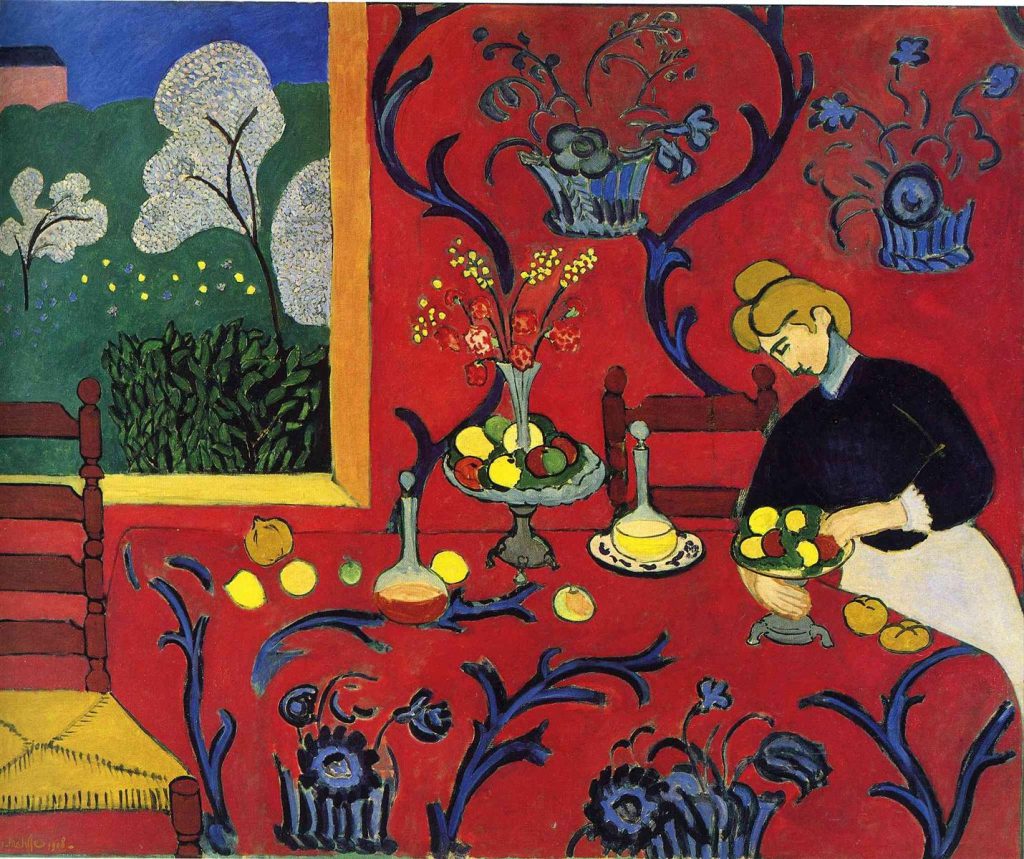
Henri Matisse (1869-1954) stands as one of the most influential artists in modern art history, renowned for his revolutionary approach to color and form. His artistic journey spanned decades of experimentation, challenging traditional conventions and redefining how we perceive visual art. For oil painting .
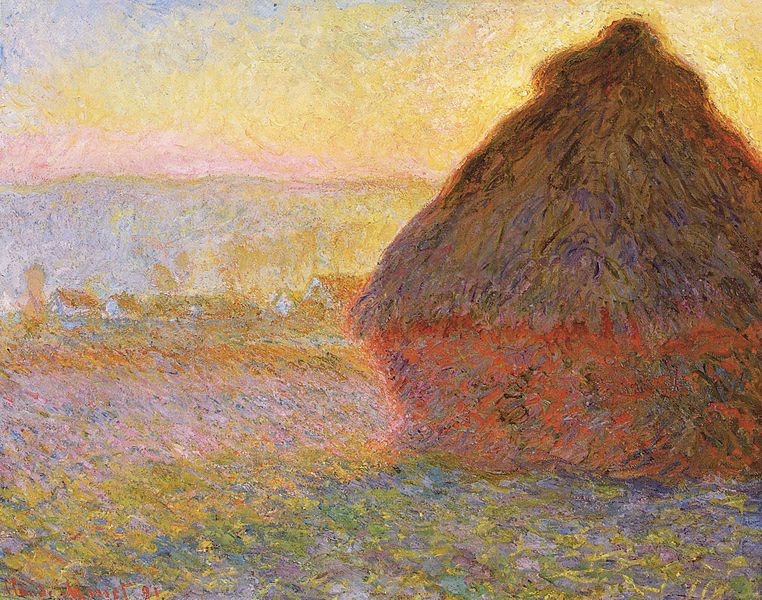
Claude Monet didn’t just paint landscapes, gardens, or water lilies—he painted light in motion. As the driving force behind Impressionism, his ability to freeze fleeting moments of sunlight, shadow, and atmosphere revolutionized art. For collectors and decor enthusiasts, understanding how Monet captured light reveals .
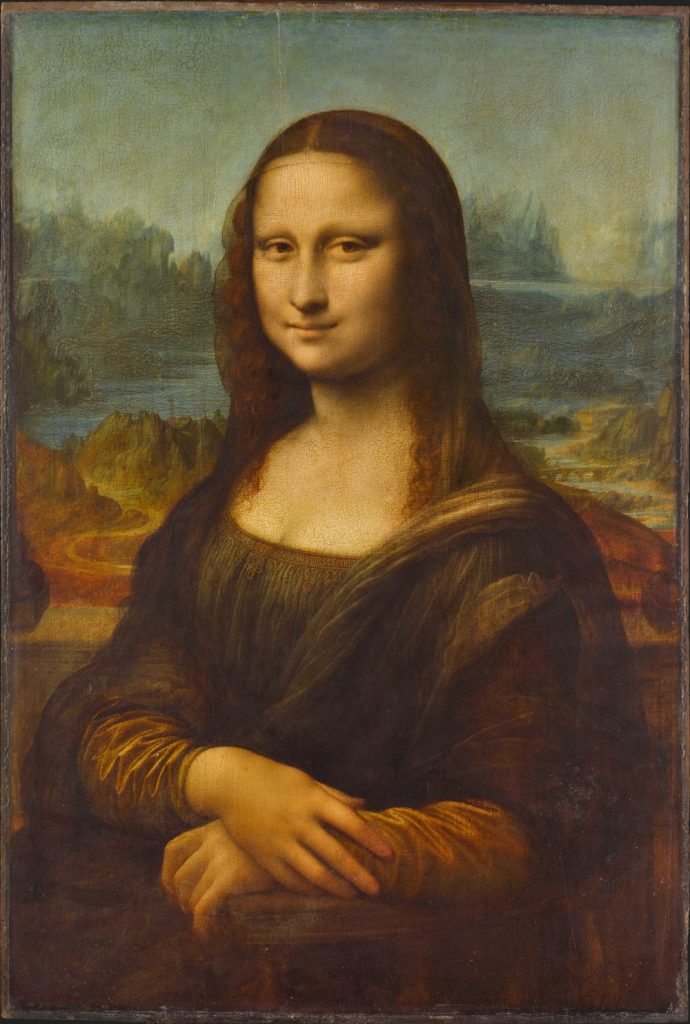
Leonardo da Vinci is more than a Renaissance genius—he was a pioneer of invisible artistry. Among his many innovations, the sfumato technique stands as a masterclass in subtlety, transforming how we perceive light, emotion, and human expression. For art lovers seeking to bring his .